
Specialty chemical solutions for Africa and international markets
Quicklime & Hydrated Lime industry operations

Industries

Quicklime & Hydrated Lime

Quicklime and hydrated lime supply for industrial, construction and treatment applications

Lime supply defined by product form, application and handling needs

Quicklime is calcium oxide, while hydrated lime is calcium hydroxide produced through slaking. Both products are used across industrial, construction, water-treatment, pulp-and-paper and other applications, but their physical form and handling characteristics differ.

NexonChem helps customers define which lime product, form, quantity, packaging and documentation are required before sourcing and delivery planning begin.

Two connected segments

Two connected segments across quicklime & hydrated lime

Connected application areas that support the wider quicklime & hydrated lime value chain.

Quicklime — Calcium Oxide application photography

Quicklime — Calcium Oxide

Quicklime is produced through the thermal decomposition of calcium-carbonate materials such as limestone. It is used in applications including wastewater treatment, pulp and paper, construction, mining and other industrial processes.

NexonChem structures enquiries around requested product specification, particle or product form, quantity, packaging, handling and destination. Because quicklime is reactive and requires appropriate handling, customer site requirements should be included in the commercial brief.

Typical requirements:Calcium oxide • Product specification • Industrial use • Bulk or packaged supply • Handling • Documentation
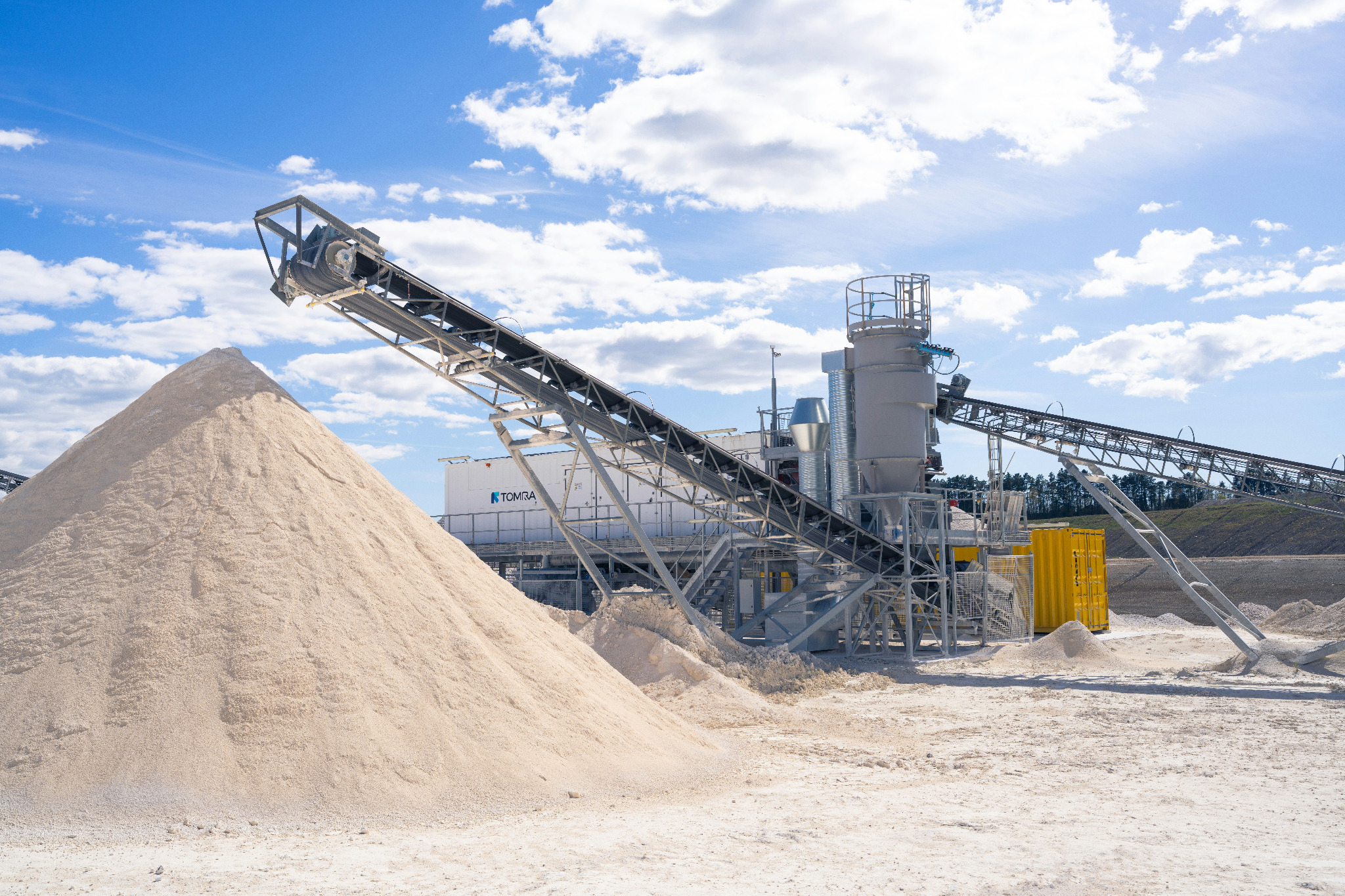

Hydrated Lime — Calcium Hydroxide application photography

Hydrated Lime — Calcium Hydroxide

Hydrated lime is calcium hydroxide, produced when calcium oxide is slaked with water. It is available as a powder or in liquid suspension forms and is used across water treatment, wastewater, construction, pulp and paper and other industrial applications.

NexonChem helps customers define requested form, quality requirement, quantity, pack format and delivery. The supply brief can also include storage, handling and available product documentation so the material is matched to the customer’s intended process.

Typical requirements:Calcium hydroxide • Powder or slurry • Water treatment • Construction use • Packaging • Delivery

Packaged chemical products moving through a warehouse

Product. Form. Handling.

Lime procurement starts with choosing the correct material and supply format

We connect product identity and form with handling, documentation, packaging and delivery.

Laboratory team evaluating a technical requirement

Product & Specification

Clarify quicklime or hydrated lime, requested form, quality and quantity.

Team reviewing technical and commercial documentation

Handling & Documentation

Coordinate available product, safety and technical information.

Logistics team coordinating product delivery

Packaging & Delivery

Align bulk or packaged supply with storage and site logistics.

Built around industrial lime use

Support shaped around lime users and bulk-material buyers

NexonChem coordinates lime requirements across treatment, construction, processing and procurement roles.

Business team coordinating a chemical supply requirement

Water & Wastewater Operators

Lime supply aligned with treatment-system requirements.

Freight truck transporting chemical products

Construction-material Producers

Product and volume coordinated with manufacturing needs.

Technical specialists working in a laboratory

Industrial Processors

Quicklime or hydrated lime sourced against defined specifications.

Commercial team reviewing supply documentation

Procurement & Distribution

Packaging, volume and delivery coordination.

Freight truck transporting industrial products at dusk

From lime requirement to delivery plan

From lime requirement to delivery plan

Keep product form, specification, handling, documentation and site delivery connected.

Sourcing

Qualified options matched to the requested product or application brief.

Specification

Grade, form, concentration, volume and packaging clarified.

Documentation

Available safety, technical and commercial records coordinated.

Delivery

Destination, handling, storage and timing planned.