Specialty chemical solutions for Africa and international markets
Clinker Supply industry operations

Industries

Clinker Supply

Clinker sourcing, specification and bulk logistics for cement production

Clinker supply built around specification, volume and delivery route

Clinker is the intermediate material produced during cement manufacture and later ground with gypsum and other components to produce cement. For buyers, supply planning depends on required clinker specification, quantity, loading method, origin, destination and delivery schedule.

NexonChem structures clinker enquiries around the customer’s technical specification and commercial logistics. The objective is to connect sourcing, documentation and bulk movement in one clear procurement brief.

Two connected segments

Two connected segments across clinker supply

Connected application areas that support the wider clinker supply value chain.

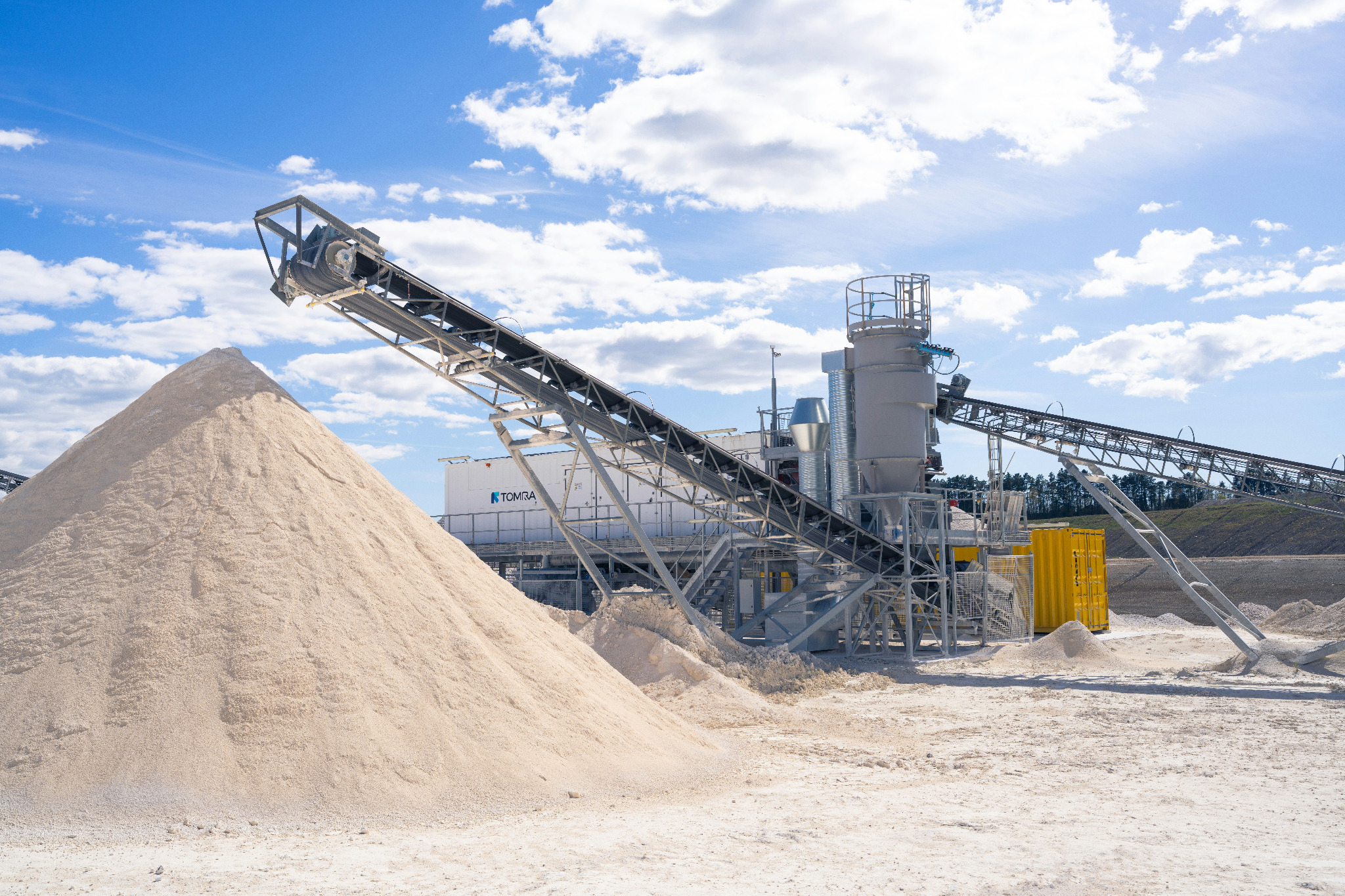
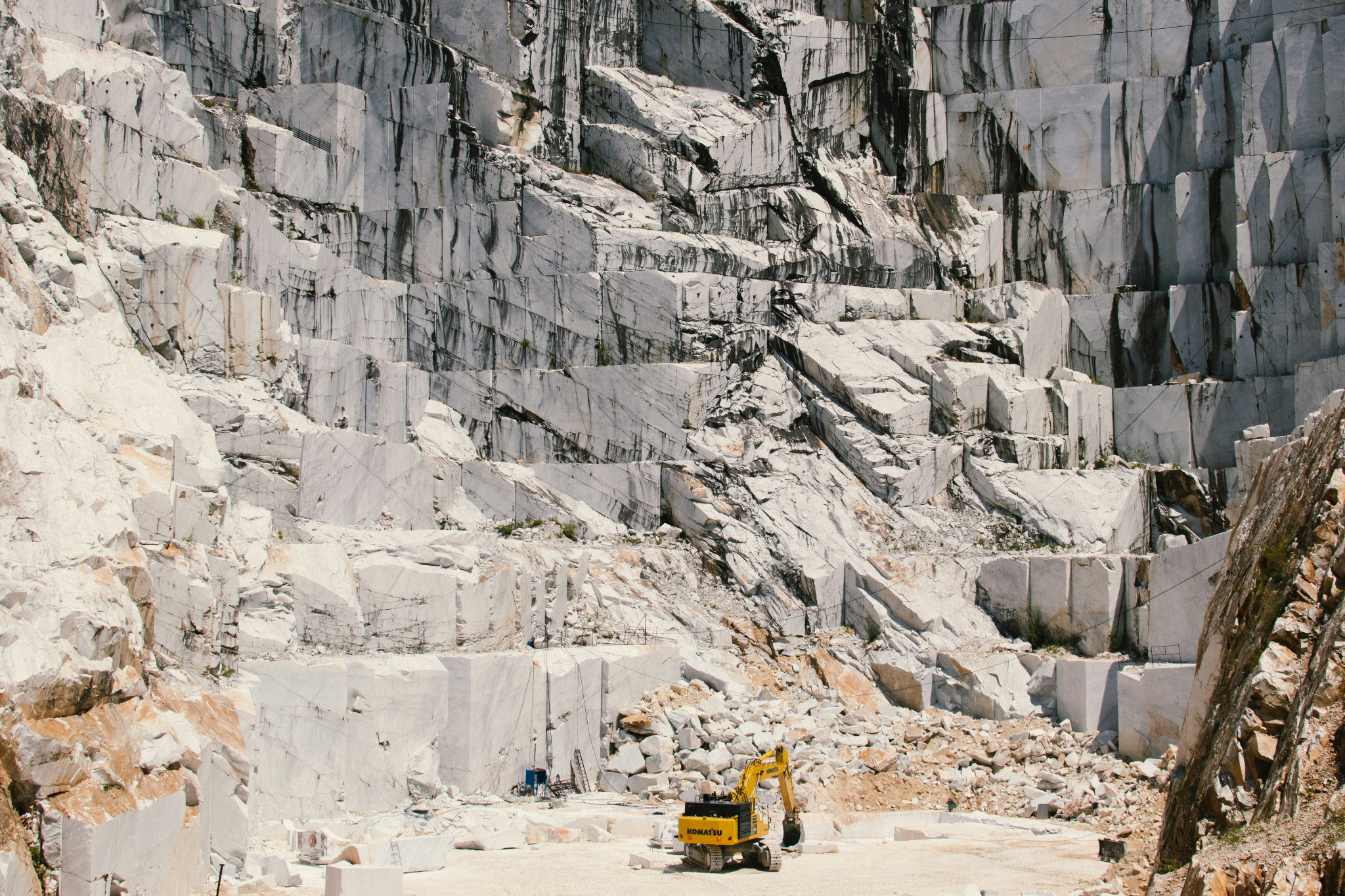
Clinker Sourcing & Specification application photography

Clinker Sourcing & Specification

Clinker is produced by burning a prepared mineral raw mix in a kiln before cooling and storage. Cement producers therefore purchase clinker against defined technical and quality requirements that relate to their own cement-production program.

NexonChem helps buyers structure enquiries around requested clinker type or specification, quantity, origin preferences, inspection or documentation requirements and delivery window. Final technical acceptance remains with the customer’s qualified cement and laboratory teams.

Typical requirements:Technical specification • Quantity • Origin • Quality documentation • Inspection requirements • Loading terms
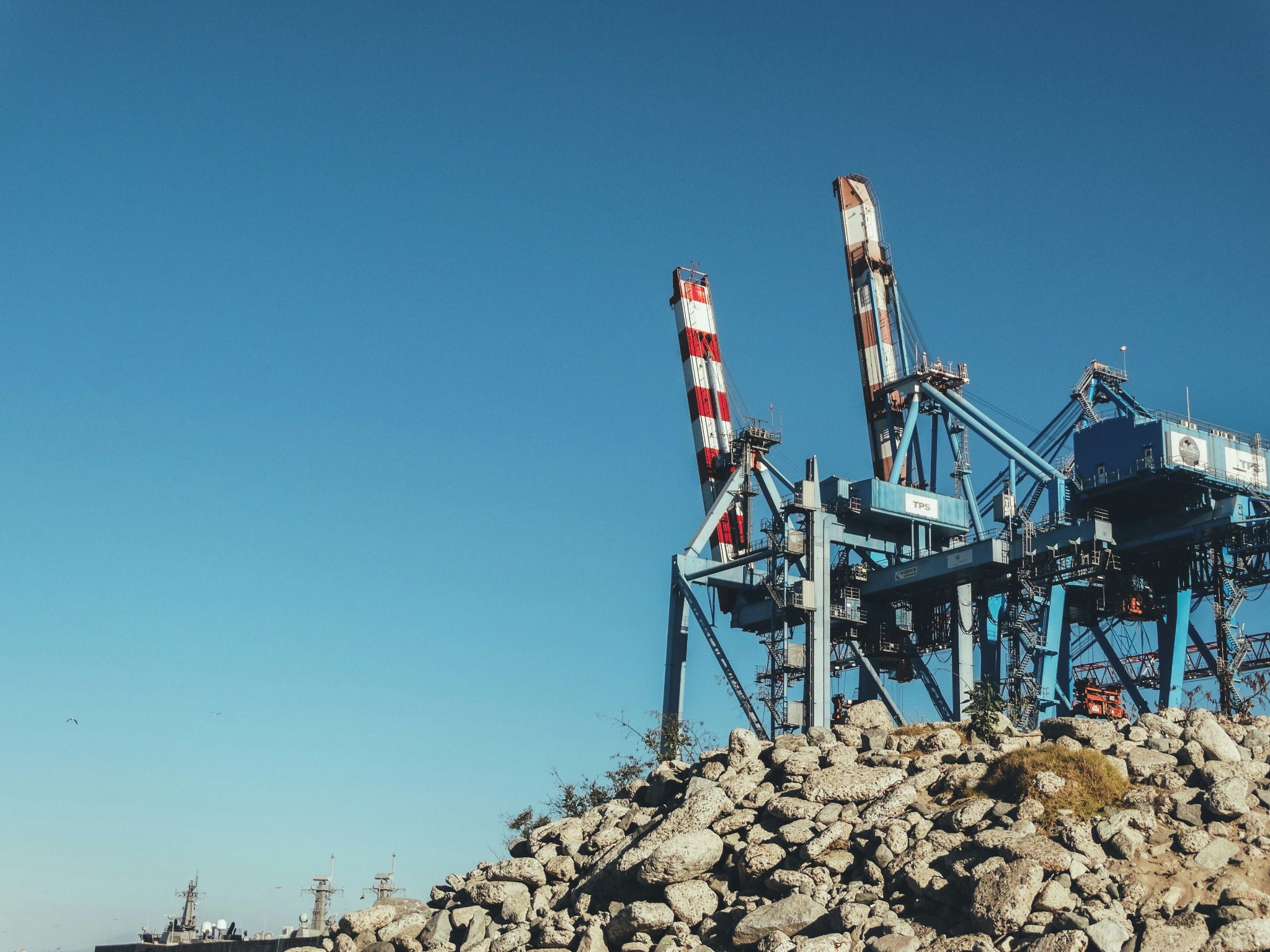
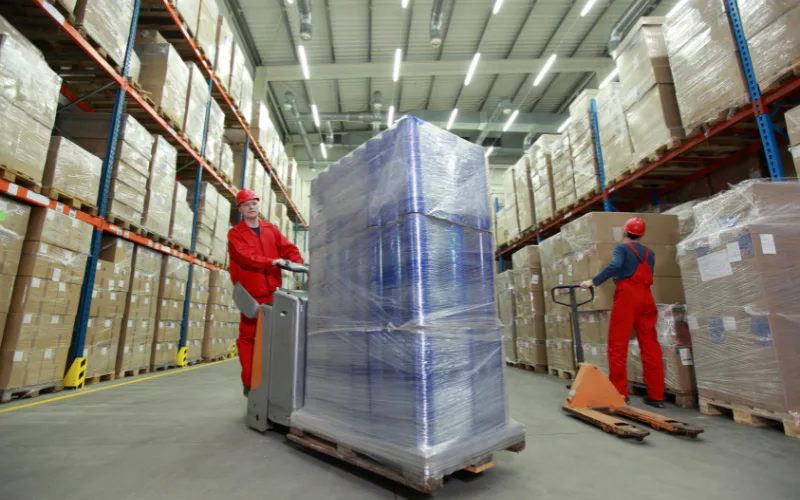
Bulk Supply & Logistics application photography

Bulk Supply & Logistics

Clinker moves in large volumes between production sites, terminals and cement-grinding operations. Port capability, storage, vessel or inland transport, loading sequence and delivery timing can be as important as the material itself.

NexonChem coordinates the commercial brief around shipment volume, destination, delivery schedule, handling and available documentation. This creates a practical link between the purchasing requirement and the logistics route needed to fulfil it.

Typical requirements:Bulk cargo • Port logistics • Storage • Vessel coordination • Inland delivery • Shipment scheduling

Packaged chemical products moving through a warehouse

Specification. Volume. Logistics.

Clinker procurement works best when material and transport requirements are defined together

We connect the buyer’s technical brief with documentation, shipment size and the intended delivery route.

Laboratory team evaluating a technical requirement

Material Specification

Clarify requested clinker specification, quality requirements and quantity.

Team reviewing technical and commercial documentation

Commercial Documentation

Coordinate available product, inspection and shipment records.

Logistics team coordinating product delivery

Bulk Logistics

Align loading point, destination, storage, vessel or inland delivery and schedule.

Built around cement supply

Support shaped around clinker buyers and bulk-material operations

NexonChem coordinates sourcing and logistics across cement producers, grinding plants, traders and procurement teams.

Business team coordinating a chemical supply requirement

Cement Producers

Clinker enquiries aligned with production and quality requirements.

Freight truck transporting chemical products

Grinding Plants

Bulk supply structured around feedstock demand and schedules.

Technical specialists working in a laboratory

Bulk-material Traders

Commercial sourcing connected to origin, documentation and shipment.

Commercial team reviewing supply documentation

Procurement & Logistics

Volume, port and delivery coordination from one brief.

Freight truck transporting industrial products at dusk

From clinker brief to shipment plan

From clinker brief to shipment plan

Keep specification, commercial documentation, loading and delivery aligned across the shipment.

Sourcing

Qualified options matched to the requested product or application brief.

Specification

Grade, form, concentration, volume and packaging clarified.

Documentation

Available safety, technical and commercial records coordinated.

Delivery

Destination, handling, storage and timing planned.